

The trick is not finding two perfumes that match. It is deciding what the second one should change.
Two bottles, one wrist, and a little optimism can create something that feels completely personal. They can also create a cloud where neither perfume sounds like itself.
The difference is usually not a secret pairing chart. It is hierarchy. Choose one perfume to lead, then give the second perfume one job: make the first brighter, drier, warmer, softer, greener, smokier, or deeper.
That is the answer hiding in the two bottles. One carries the identity. The other changes the lighting.
I would start there before looking at note families or buying anything new, because two beautiful perfumes do not automatically make one beautiful combination. Sometimes they simply talk over each other.
Why scent stacking is rising now
Perfume layering is not new, but the search interest around it is moving quickly. Pinterest named “Scent Stacking” one of its 2026 beauty trends. In its global English-language data, searches for “perfume layering combinations” rose 125 percent, “scent layering” rose 75 percent, and “perfume notes” rose 80 percent.
The biggest jump was 500 percent, but that number belongs specifically to the phrase “niche perfume collection.” It does not mean all perfume searches rose 500 percent. Pinterest compared normalized searches from September 2024 through August 2025 with the previous 12 months. You can read the full Pinterest Predicts 2026 report and methodology here.
The appeal makes sense. Once you own several fragrances, the question changes. You are no longer only asking, “What should I buy?” You start wondering what else the bottles on your tray can do.
Layering promises a scent that feels more personal. The only problem is that originality is not the same thing as harmony.
The question I would ask before spraying
If you showed me two perfumes and asked whether they go together, I would not begin with the note lists. I would ask which bottle you still want to recognize at the end.
That bottle is the lead.
Then I would finish this sentence:
I want to keep the character of this perfume, but make it more ______.
Fill the blank with one direction. Bright. Dry. Warm. Soft. Green. Airy. Smoky. Deep.
If you cannot finish the sentence, do not spray the second perfume yet. A supporting scent without a job has a habit of becoming competition.
The Perfume Society’s layering guidance starts from a similar place: begin with a fragrance you already enjoy, identify the quality you want to change, and use less than you think you need. That last part matters. Adding a little more perfume is easy. Removing it is a much less glamorous project.
Give one perfume the lead
The lead perfume should be one you understand on your skin. You know what happens after the first bright notes disappear. You know whether it becomes sweeter, drier, creamier, or louder as it settles.
More importantly, it is the fragrance you still want to smell like.
The supporting perfume is not there to prove that you own two good bottles. It is there to make one controlled change. A citrus scent can lift a dense vanilla. A quiet musk can soften the edge of a floral. A dry wood can pull sweetness away from dessert. A little amber can give a sheer perfume more shadow.
These are directions, not guarantees. Finished perfumes have their own proportions, strengths, and personalities. The same vanilla note can feel transparent in one bottle and almost syrupy in another.
Perfume does not need democracy. Equal sprays are not automatically fair, and they are rarely the best place to start.
If the supporting perfume projects more strongly, use less of it. If the lead is delicate, keep the support farther away or apply the fragrances on separate areas. The goal is not equal volume. The goal is a clear point of view.
This post contains affiliate links. If you purchase through them, I may earn a commission at no additional cost to you. The products are organized by the role they can play in a layering experiment and are not presented as personally tested combinations unless specifically stated.
Start with a scent you know
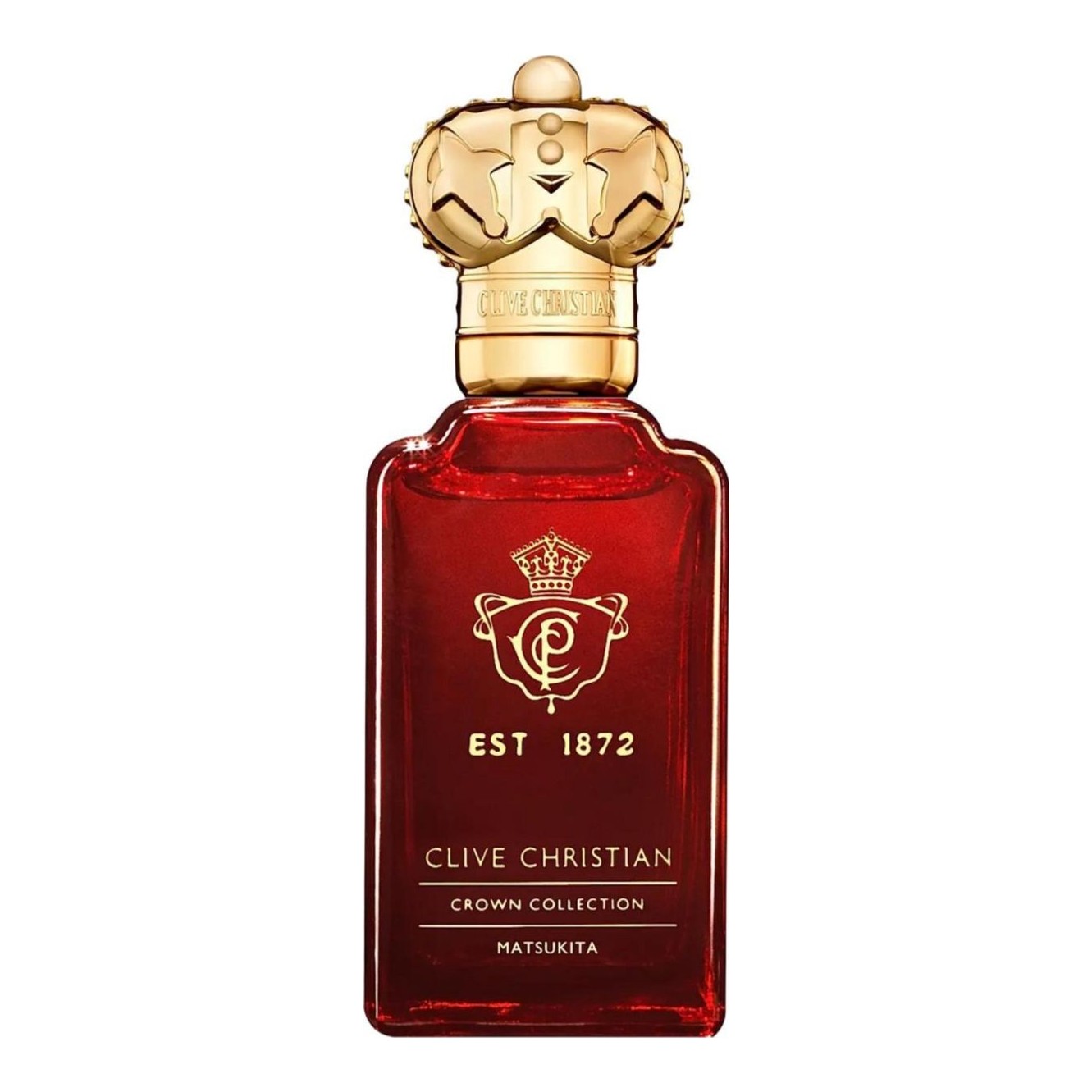
Choose a lead you want to keep recognizable, such as YSL Libre, Dior J’adore, a dry woody Santal 33, or Byredo Bal d’Afrique.
The note list is not enough
Notes can tell you where to begin, but they cannot tell you exactly how two finished perfumes will behave together. Before layering, I would compare four things.
Weight
Some perfumes feel dense enough to touch. Think resin, smoke, leather, concentrated woods, or a thick vanilla. Others feel almost transparent: citrus, tea, watery notes, sheer florals, and skin-like musks.
A heavy fragrance can swallow a lighter one even when the lighter perfume is sprayed first. If you want the airy scent to remain recognizable, reduce the dense perfume before changing everything else.
Projection
Projection is how far the scent seems to travel from your skin. Two assertive perfumes may enter the room before their wearer does.
When both project strongly, I would apply them to separate areas and use less of each. That lets them meet in the air without forcing both formulas onto the same patch of skin.
Sweetness
Sweetness accumulates quickly. A vanilla perfume and a ripe fruit perfume may share a cozy mood, but together they can become much sweeter than either bottle suggests alone.
If the lead is already sweet, try a drier supporting direction such as citrus peel, tea, vetiver, cedar, green notes, or a restrained musk. If more sweetness is the goal, add it with a lighter hand than instinct suggests.
Texture
Texture is the word I use for how a fragrance feels: powdery, creamy, syrupy, crisp, smoky, metallic, velvety, or dry.
Two perfumes can share no obvious hero note and still work because their textures create balance. They can also share half a note list and feel muddy because both are dense, sweet, and creamy.
You do not need to identify every material in the formula. Ask whether the combination feels clearer or more crowded. Your nose understands that question faster.
Five perfume layering directions to try
I would use these as experiments with fragrances you already own, not as promises that every bottle in the same family will behave identically.
If your sweet perfume needs fresh air
Try a citrus, green tea, neroli, bergamot, or crisp green fragrance as the support. Keep the sweet perfume in the lead and apply the fresh scent lightly.
If the citrus disappears quickly, move it closer to the lead on the next test. Do not immediately answer every problem with three more sprays.
If your floral feels too delicate
Try a dry wood, vetiver, quiet leather, or clean musk. The support should change the floral’s posture without covering the bouquet.
I would avoid starting with the loudest woody bottle on the tray. Structure is useful. A takeover is not.
If your woody perfume feels too severe
Try a sheer vanilla, soft amber, powdery musk, tonka, or a quiet floral. You want to round the edges without turning every wood into dessert.
If both fragrances feel warm and dense, apply them to separate areas. Smell the air around you before putting both on the same wrist.
If your fresh perfume needs more grounding
Try cedar, vetiver, tea, soft incense, or a skin musk. Start with a very small amount of the deeper scent because an airy fragrance can lose its character underneath a darker base.
The best support extends the mood instead of replacing it.
If your daytime perfume needs an evening version
Add one controlled touch of spice, amber, incense, patchouli, or dark wood. The goal is more shadow, not simply more volume.
If the daytime fragrance is still on your skin, add the evening support once and wait. Perfume continues changing after the first spray. Give it a chance to answer before asking again.
Shop the change you want
Give the second bottle one job with something light and citrusy, a soft skin scent, something dry and woody, or a sheer vanilla.
The test that saves two good perfumes
The fastest way to waste fragrance is to combine full applications before you know whether the idea works. I would reject weak pairings early.
First, learn each perfume alone
Wear each fragrance by itself before combining it. If you do not know how either one develops, you will not know which perfume caused the problem.
For a quick screen, spray separate blotters and let the openings settle. Hold them near each other without rubbing them together. This will not perfectly predict the skin result, but it can reveal an immediate clash or a support that completely dominates.
Then let them meet from separate places
Apply a reduced amount of each perfume to separate arms or separate points on the body. Give both time to move beyond the opening, then notice the shared scent cloud.
This lets you smell the combination while preserving each perfume’s identity. If one disappears, change the dose on another test day instead of adding correction sprays.
Finally, test the ratio you would actually wear
Once the pairing works separately, try the intended placement and ratio. Make a quick note with the bottle names, sprays, placement, weather, and what happened during the drydown.
Spray counts are useful as a record, but they are not universal measurements. One atomizer can release far more perfume than another.
If the combination becomes unpleasant, stop. Soap and water are a better rescue plan than a third fragrance.
Should the heavier perfume go first?
Starting with the heavier perfume can be a useful convention, especially when both scents are applied to the same area. But dose and placement often matter more than order.
If the fragrances are on separate parts of the body, there is no meaningful first layer. You are creating one scent cloud from two locations.
Treat order as a testing variable, not a law. If the support overwhelms the lead, reduce it or move it farther away before assuming you sprayed in the wrong sequence.
Sometimes the best layer is no layer
I would skip the second bottle when the first perfume already feels complete. Layering should solve a desire, not become an obligation to make an expensive fragrance more original.
I would also stop when both perfumes project strongly in a close indoor space, when scented lotion or hair products have already added another layer, or when the combination needs repeated correction sprays.
And when a perfume is new, wear it alone first. You deserve to know what you bought before asking it to become something else.
Sometimes the most personal choice is wearing one bottle exactly as its perfumer composed it.
Shop the full scent edit
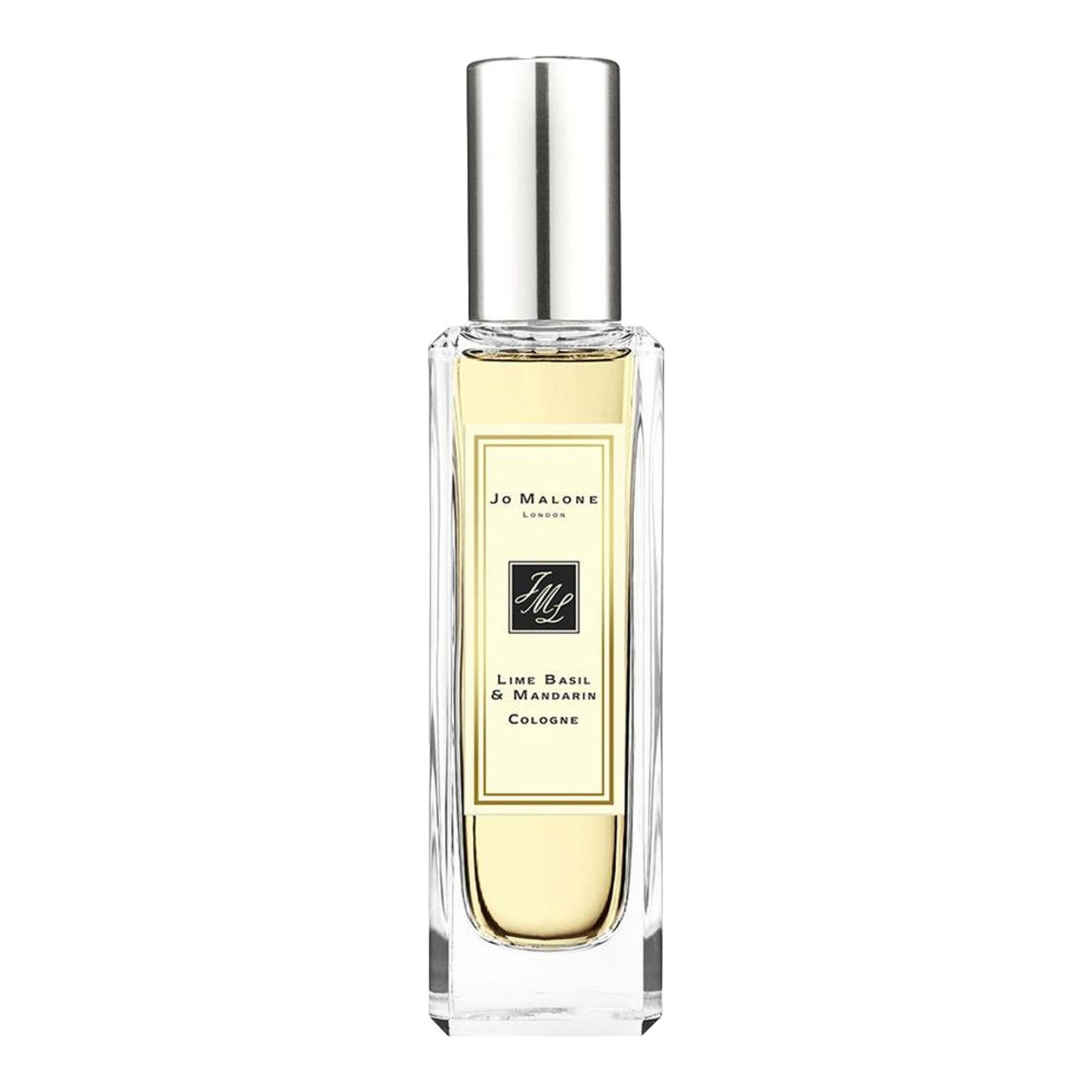
For another starting point, try a warm sweet lead, a quiet layering enhancer, a barely-there woody skin scent, or a bright citrus cologne.
What your layering habits reveal about your collection
Pay attention to the job you keep assigning the second bottle. That pattern may tell you more than another shopping list.
If you add citrus to nearly every sweet perfume, you may be missing a brighter everyday scent. If you keep using musk to soften florals, a quiet skin scent may have a real role in your collection. If every fresh perfume gets amber after sunset, perhaps you are looking for one fragrance that already makes that transition.
This is where the 500 percent rise in searches for “niche perfume collection” becomes interesting. A useful collection is not simply a larger collection. Each bottle has a role: signature, brightener, softener, evening depth, warm comfort, or a complete composition that needs nothing else.
Before buying the next perfume, I would look at the jobs your current bottles are already doing. Your signature scent may not be one perfect bottle waiting on a store shelf.
It may be a conversation between two bottles you already understand.
Perfume layering questions
What is the best way to layer two perfumes?
Choose one perfume to lead, then give the second fragrance one clear job such as brightening, drying, warming, softening, or deepening it. Start with less of the supporting scent and adjust the ratio on another test day if needed.
Should the heavier perfume go first?
It can be useful when both fragrances go on the same area, but dose and placement usually matter more than order. If the heavier scent overwhelms the lead, use less or apply it farther away.
Can you layer any two perfumes?
You can test any pairing, but two fragrances that are both dense, sweet, or highly projecting can become crowded. Test them first on separate blotters and then on separate areas of skin before combining a full application.
How long should I wait before judging a perfume combination?
Wait until both fragrances move beyond their opening notes. Check the shared scent cloud again after roughly 30 minutes and later in the drydown, because a pairing that works at first can become sweeter, heavier, or less balanced as it develops.